

Valorant and FACEIT: What Happened Since Launch?
Back in 2020, Valorant was still in closed beta and nobody knew if FACEIT would officially support it. Fast forward to 2026, and the answer is a clear yes. FACEIT now hosts a thriving Valorant community with official hubs, tournaments, and ranked ladders that players use alongside Riot’s own competitive mode.
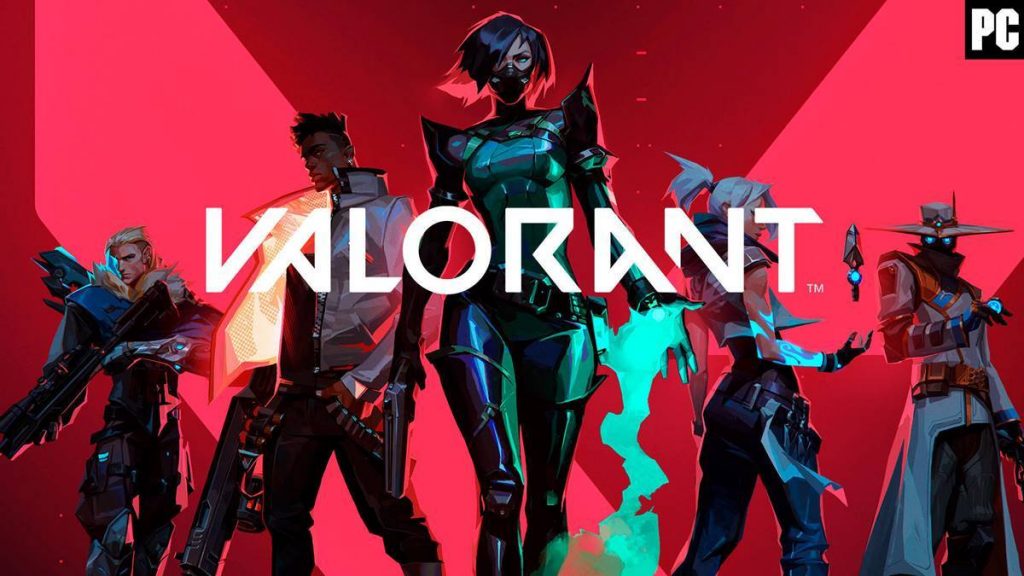
FACEIT built its reputation on providing 128-tick servers and robust anti-cheat for games like CSGO. When Valorant launched with its own 128-tick servers and built-in Vanguard anti-cheat, many wondered if there was still room for a third-party platform. As it turns out, FACEIT found its niche by offering structured tournaments, team matchmaking, and a ranked ladder that appeals to competitive players who want more than solo queue.
If you are new to Valorant, check out our Valorant 101 guide for a complete overview of the game’s mechanics and systems.
How FACEIT Valorant Works
FACEIT Valorant operates through community-run hubs and official FACEIT tournaments. Players join hubs that match their skill level and regions, then queue for matches just like in the base game. The key difference is that FACEIT uses its own Elo-based ranking system alongside Valorant’s native rank system.

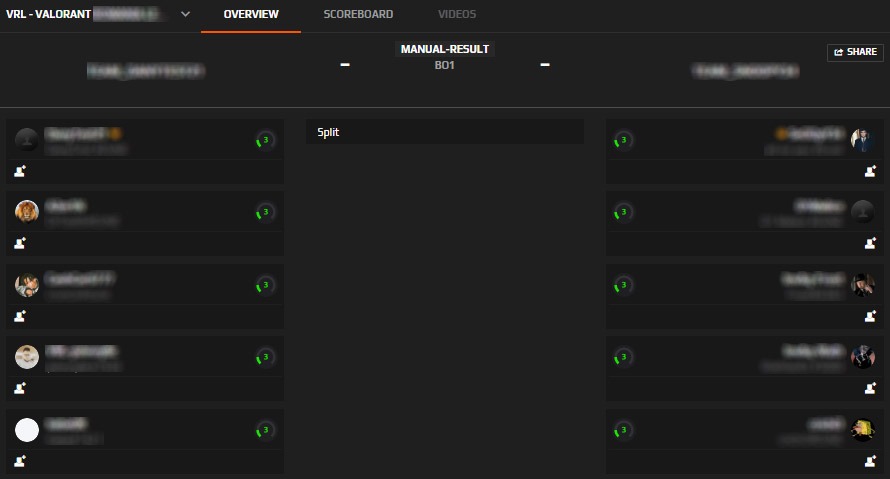
Match results on FACEIT are automatically tracked through Riot’s API, unlike the early days when captains had to manually enter scores. This automation made FACEIT Valorant much more reliable and popular among serious players. The platform also runs seasonal leagues with prize pools, giving amateur teams a path into competitive Valorant esports.
For context on how Valorant’s own competitive scene evolved, read our breakdown of Valorant Competitive mode and what Riot introduced at launch.
FACEIT vs. Valorant’s Built-In Systems
Valorant launched with 128-tick servers and Vanguard anti-cheat, which addressed two of the biggest complaints CSGO players had. Vanguard’s controversial kernel-level driver and “soul ban” system — where cheating on one account bans all past, present, and future accounts tied to that player — proved highly effective at keeping the game clean.
So why do players still use FACEIT? The main draw is organization. FACEIT offers custom hubs with specific rules, team-based matchmaking, and a separate Elo system that some players find more rewarding than the standard Ranked mode. It also provides detailed stats tracking and performance analytics that go beyond what Riot’s in-game tools offer.
If you are looking to improve your aim between platforms, try our CSGO to Valorant sensitivity converter to keep your muscle memory consistent across games.
Which Agents Perform Best on FACEIT?
FACEIT’s team-oriented structure rewards coordination and communication more than solo queue does. Agents with utility that enables team plays — such as Sova, Skye, and Breach — tend to have higher win rates on the platform. Entry fraggers like Jett and Reyna remain popular, but teamwork-focused compositions often come out on top.
For a full breakdown of the best picks, see our guide on the best Valorant agents to main in every patch.

The Verdict
FACEIT and Valorant coexist successfully. Riot’s built-in systems handle the core competitive experience, while FACEIT provides the structured tournament ecosystem and community hubs that hardcore players crave. If you are looking for organized team play beyond solo queue, FACEIT Valorant is absolutely worth your time.
Want to learn more about Valorant’s other features? Read our guide on how to surrender in Valorant and our overview of the Valorant Team Deathmatch mode.