

Back in 2020, a viral trend took over YouTube and Twitter. Users discovered that the OnePlus 8 Pro camera could “see through” certain plastic objects. The feature sparked wild speculation about x-ray vision capabilities in smartphones. But the reality is both simpler and more fascinating than the rumors suggested.
The OnePlus 8 Pro featured a unique 5-megapixel “Photochrom” camera sensor alongside its main lenses. This filter-based camera had no IR (infrared) blocking layer. Without that shield, the sensor could detect infrared light passing through thin plastics. The result looked like a thermal x-ray, but it was actually infrared photography.
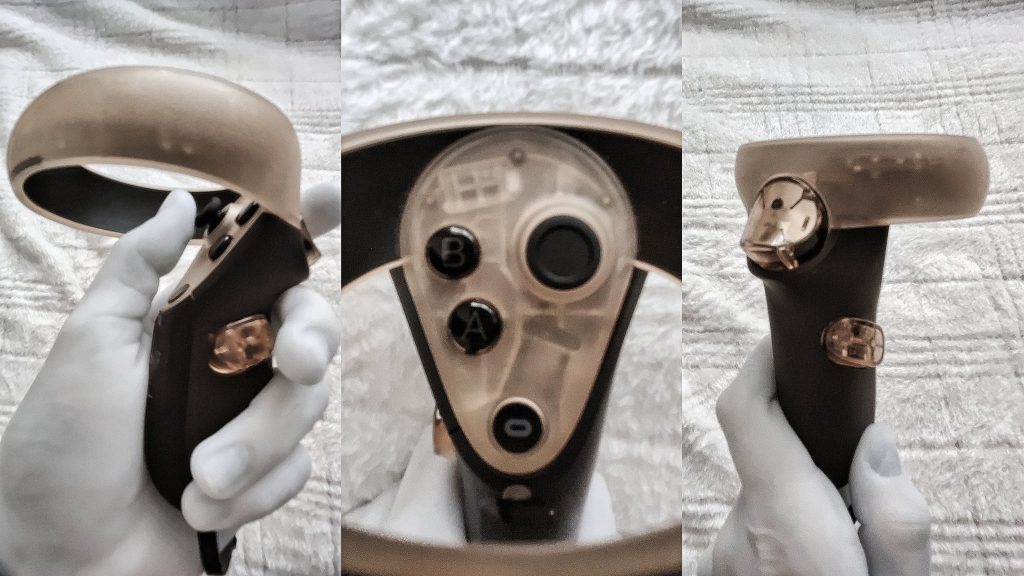
YouTuber Ben Geskin first noticed the effect while filming Oculus Quest controllers. The inner LED rings were clearly visible through the plastic casing. Marques Brownlee (MKBHD) confirmed the finding in his own tests. The videos quickly went viral, with millions of views across platforms.
What Is the Photochrom Camera?
The Photochrom mode on the OnePlus 8 Pro was marketed as a creative color filter, not a special imaging sensor. The mode applied unique color grading to photos. But the hardware behind it lacked an IR cut filter, which is standard on virtually all smartphone cameras. This omission is what created the “x-ray” effect.
IR light passes through many materials that block visible light. Thin plastic, silicone, and some fabrics are semi-transparent to infrared. The OnePlus 8 Pro camera accidentally captured this invisible spectrum. When processed through the Photochrom color mapping, the IR light created a surreal see-through appearance.
How To Try the Photochrom Effect
If you own an OnePlus 8 Pro, you can still test this feature today. The Photochrom mode remains accessible in the camera app. Follow these simple steps:
- Open the camera app on your OnePlus 8 Pro.
- Find the filter options icon at the top right of the viewfinder.
- Swipe through the available color modes until you reach “Photochrom.”
- Point the camera at a thin plastic object like a remote control or earphone case.
- Move the object closer to the lens and watch the inner components become visible.
The effect works best with electronics that have visible LEDs or wiring inside. TV remotes, gaming controllers, and smart home sensors are great test subjects. Darker plastics tend to block more IR, while lighter translucent materials show the most detail.
Is It Real X-Ray Vision?
No, the OnePlus 8 Pro does not have true x-ray vision. X-rays are a high-energy form of radiation that can pass through skin, wood, and thin metal. The Photochrom camera uses infrared light, which is a much lower energy wavelength. It can only penetrate very thin, non-metallic materials.
OnePlus never officially promoted this as a feature. The company remained silent on whether it was intentional or a hardware quirk. Eventually, a software update in late 2020 reduced the IR sensitivity. The update was likely a response to privacy concerns about the camera seeing through clothing or thin fabrics.
Legacy of the OnePlus 8 Pro Camera
The OnePlus 8 Pro “x-ray” controversy remains one of the most memorable smartphone camera stories of the decade. It highlighted how small hardware design choices can create unintended viral moments. For smartphone enthusiasts, it was a fascinating look into how camera sensors work and what they can detect beyond visible light.
If you enjoy exploring hidden phone features, check out our guide on how to use your mobile phone as a webcam. For more OnePlus content, see what we know about the OnePlus Watch leaks and rumors. And if you are into recording your discoveries, read our tips on how to record your screen in OBS Studio.
The OnePlus 8 Pro Photochrom camera may not be real x-ray vision. But it gave us a rare glimpse into the invisible world of infrared light. Sometimes the best smartphone features are the ones nobody planned.