

Your GPU is the hardest working component in your gaming PC. It processes millions of instructions per second during gameplay, and all that work generates heat. While some heat is normal, excessive temperatures can cause performance throttling, system crashes, and even permanent damage to your graphics card. This guide covers 9 proven ways to lower your GPU temperature and keep your card running cool in 2026.
- What Is a Safe GPU Temperature?
- 9 Ways to Lower Your GPU Temperature
- 1. Clean Your GPU Fans and Heatsink
- 2. Replace the Thermal Paste
- 3. Check That Your GPU Fan Is Spinning Properly
- 4. Install an Aftermarket GPU Cooler
- 5. Improve Airflow Inside Your PC Case
- 6. Update or Roll Back GPU Drivers
- 7. Lower Your GPU Clock Speed (Underclock)
- 8. Disable GPU Overclocking
- 9. Increase GPU Fan Speed Manually
- Final Thoughts
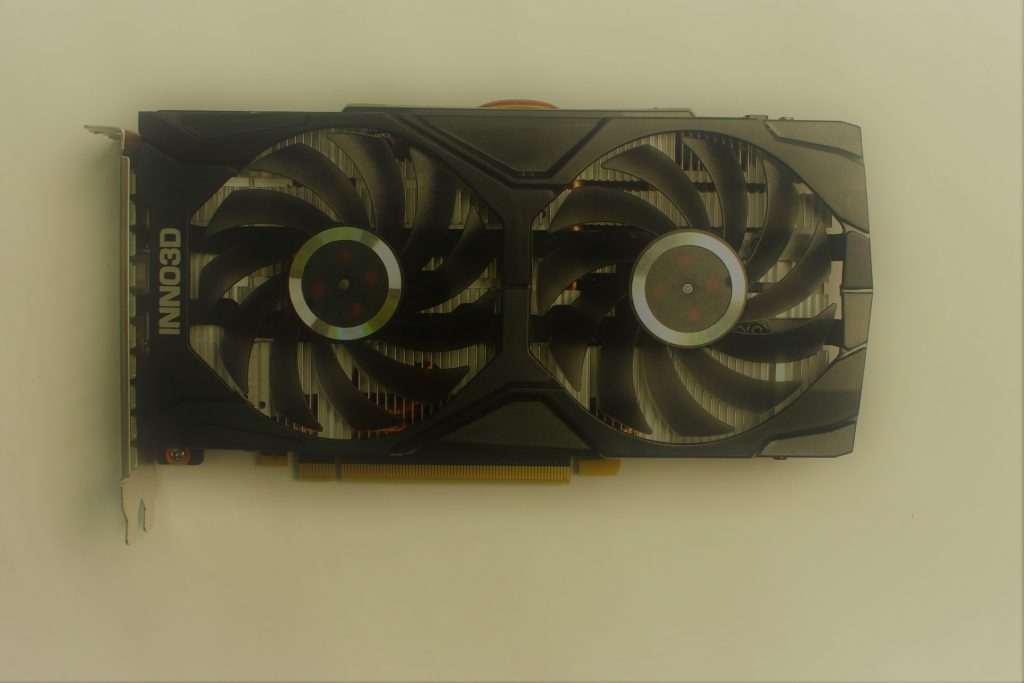
What Is a Safe GPU Temperature?
Safe GPU temperatures vary by model, but anything above 80 degrees Celsius under load is a warning sign. Ideally, you want your GPU running between 65 and 75 degrees Celsius during gaming. If your card consistently hits 85 degrees or higher, it is time to take action. Use monitoring tools like GPU-Z or MSI Afterburner to check your current temperatures.
9 Ways to Lower Your GPU Temperature
1. Clean Your GPU Fans and Heatsink
Dust buildup on the heatsink and fan blades reduces cooling efficiency significantly. Open your PC case, remove the graphics card, and use compressed air or a soft brush to clean off all dust. Even a thin layer of dust can raise temperatures by 5 to 10 degrees. Make this a regular maintenance task every few months.
2. Replace the Thermal Paste
Thermal paste between the GPU die and heatsink dries out over time and loses its effectiveness. If your card is more than two years old, reapplying high-quality thermal paste can drop temperatures significantly. Remove the cooler, clean off the old paste with isopropyl alcohol, and apply a fresh pea-sized drop.
3. Check That Your GPU Fan Is Spinning Properly
A faulty or slow-spinning fan is a common cause of overheating. If your GPU fan is not reaching full speed or has stopped entirely, it needs attention. Check fan operation visually or through GPU software. Many modern GPUs have a zero-RPM mode at low temperatures, so make sure the fan spins up under load.
4. Install an Aftermarket GPU Cooler
Stock coolers are adequate but not always optimal. Aftermarket air coolers and liquid cooling solutions can dramatically reduce GPU temperatures. AIO liquid coolers and high-end air coolers provide much better thermal performance. Make sure the cooler is compatible with your card model and that your case has enough clearance.
5. Improve Airflow Inside Your PC Case
Poor case airflow traps hot air around the graphics card. Manage your cables neatly, install intake fans at the front and exhaust fans at the rear, and consider upgrading to a case with better ventilation. A well-ventilated case with good airflow design can make a noticeable difference in GPU temperatures.
6. Update or Roll Back GPU Drivers
Faulty or buggy graphics drivers can cause higher-than-normal temperatures. If you notice a temperature spike after a driver update, try rolling back to a previous version. Use Display Driver Uninstaller (DDU) to completely remove old drivers before installing new ones for a clean installation.
7. Lower Your GPU Clock Speed (Underclock)
Temporarily reducing your GPU clock frequency lowers power draw and heat output. Use tools like MSI Afterburner to reduce the core clock in small 25-50 MHz increments. This is a helpful stopgap measure while you diagnose the root cause. Once the issue is resolved, restore default clock speeds.
8. Disable GPU Overclocking
If you have overclocked your GPU, revert to factory clock speeds. Overclocking pushes the card beyond its designed limits and generates extra heat. If you must overclock, make sure your cooling solution can handle the increased thermal load. Monitor temperatures closely after any overclocking.
9. Increase GPU Fan Speed Manually
Most GPUs have an automatic fan curve that balances noise and cooling. You can override this with a custom fan curve using MSI Afterburner. Setting a more aggressive fan curve keeps the card cooler at the cost of more noise. This is a simple and effective fix for borderline overheating.
Final Thoughts
Overheating is harmful to any PC component, not just the GPU. The methods above cover the most common causes and solutions. Start with the simplest fixes like cleaning dust and checking airflow before moving to more involved steps like repasting or replacing coolers. If your GPU temperature remains high after trying all steps, the card itself may be failing and replacement might be necessary.
For more GPU and PC cooling guides, check out our GTX 1660 Super Review, guide on how to fix CPU fan errors, and our Thermaltake Tower 100 case review. If you are troubleshooting driver issues, our Display Driver Uninstaller guide can help.